

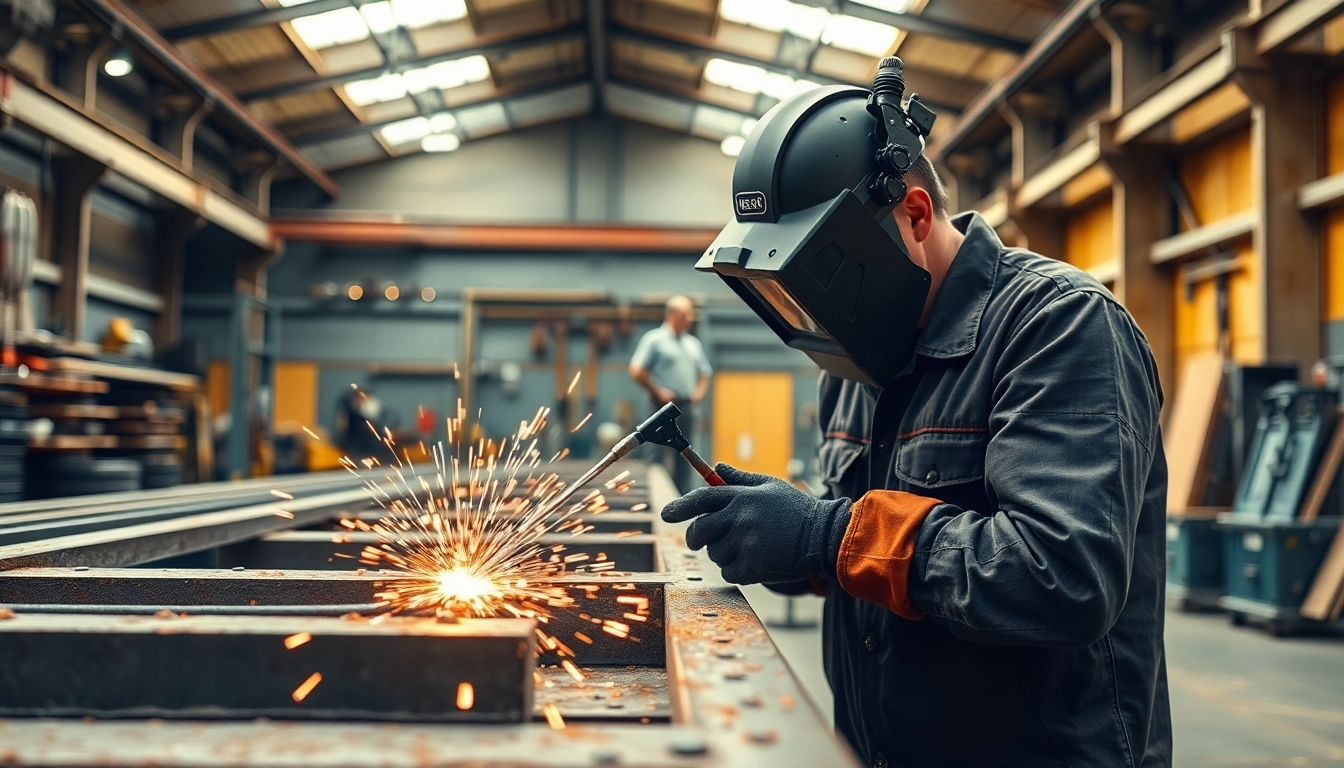
Understanding Structural Steel Welding
Structural steel welding is a critical skill in the construction and manufacturing industries, shaping the frameworks that support our buildings, bridges, and other infrastructures. Whether it be beams, columns, or other components, the integrity of the welds plays a significant role in the strength and durability of constructed objects. Understanding the ins and outs of structural steel welding not only enhances worker competency but directly influences project safety and longevity. With advancements in technology and materials, the methods and tools for structural steel welding have evolved, making it essential for professionals to stay informed of best practices and innovative techniques.
What is Structural Steel Welding?
Structural steel welding refers to the process of joining steel components using welding techniques that establish a robust connection which is capable of bearing substantial loads. This method employs thermal energy to melt the base materials, allowing for a seamless merge upon cooling. The various welding techniques such as MIG (Metal Inert Gas), TIG (Tungsten Inert Gas), and Arc welding are commonly used based on the project requirements and specifications. Each technique offers unique benefits, making it crucial for welders to possess knowledge about their applications and proper execution.
Importance of Structural Steel in Construction
The significance of structural steel within the construction industry cannot be overstated. Structural steel is the backbone of modern construction, known for its strength, versatility, and durability. It serves as a preferred material due to its high tensile strength, allowing for large structures to be built with fewer materials. Moreover, structural steel components can be fabricated off-site, which enhances manufacturing efficiency and reduces on-site construction time. In essence, the utilization of structural steel leads not only to cost savings but also to a significant improvement in project timelines.
Common Types of Structural Steel Welding Techniques
In the field of structural steel welding, various techniques are employed, each tailored to specific applications or material types:
- MIG Welding: This method uses a continuously feeding wire as an electrode and inert shielding gas to protect the weld pool from contamination.
- TIG Welding: Known for its precision, TIG welding employs a non-consumable tungsten electrode and is ideal for thinner materials.
- Shielded Metal Arc Welding (SMAW): Also known as stick welding, this process uses a consumable electrode coated in flux to protect the weld from atmospheric contamination.
- Flux-Cored Arc Welding (FCAW): This method is similar to MIG but uses a tubular wire filled with flux, providing deeper penetration and the ability to weld in outdoor conditions.
Essential Tools for Structural Steel Welding
To achieve high-quality welds in structural steel, it is imperative to use proper tools and equipment. Investment in the right instruments not only enhances the quality of work but also contributes to the safety of the welder.
Must-Have Welding Equipment for Professionals
The primary equipment required for structural steel welding includes:
- Welding Machine: A robust welding machine, whether it be MIG, TIG, or Stick, is essential for varying types of steel welding.
- Welding Electrodes and Filler Material: Selecting appropriate electrodes and filler materials based on the steel grade is crucial for ensuring strong welds.
- Clamps and Fixtures: These tools secure steel components in place and ensure accurate alignment during welding.
- Angle Grinders: For surface preparation and post-welding finishing, an angle grinder is indispensable.
Safety Gear and Its Importance in Welding
Safety in welding cannot be compromised, owing to the numerous hazards present during the process. Essential safety gear includes:
- Welding Helmet: Protects the welder’s face and eyes from intense light and sparks.
- Protective Clothing: Heat-resistant gloves and flame-retardant jackets are necessary to shield against burns.
- Respirators: In environments where fumes are generated, respirators protect against inhalation of harmful particles.
Innovative Tools for Efficient Welding
With technological advancements, innovations in tools have greatly improved welding efficiency. For example:
- Automated welding systems: These systems reduce human error and improve precision in high-volume production environments.
- Welding Positioners: A tool that manipulates the workpiece to achieve the ideal welding position, resulting in better quality and reducing workspace fumbling.
- Laser Scanning Technologies: These provide precise measurements for better fit-up, making fabrication easier and more accurate.
Techniques and Best Practices for Effective Welding
Having the right techniques and best practices can significantly affect the outcomes of structural steel welding projects. Understanding these methods is vital for achieving strong, durable joints.
Preparation Steps for Successful Welds
Before initiating the welding process, adequate preparation is key:
- Surface Cleaning: Removing rust, paint, and impurities will help in achieving clean welds.
- Joint Design: Properly designing the joints based on load requirements is essential for providing adequate strength.
- Fit-Up Check: Ensure that the pieces to be welded fit snugly to avoid gaps that could weaken the joint.
Key Welding Techniques Explained
Mastering specific techniques is crucial. Here are fundamental techniques every welder should know:
- Weaving Technique: Ideal for covering wider gaps and ensuring full penetration.
- Stringer Bead Technique: Used for thinner materials, providing deep penetration with less filler.
- Pause-and-Go Technique: Important for thicker sections to prevent overheating and distortion.
- Travel Speed Control: Managing the speed of welding affects the quality of the bead and overall penetration.
Common Mistakes to Avoid in Structural Steel Welding
It is crucial to recognize common pitfalls that can undermine the integrity of a weld. Common mistakes include:
- Poor Joint Preparation: Inadequate cleaning or wrong joint design can lead to weak welds.
- Incorrect Parameters: Setting optimal voltage, amperage, and travel speed is critical for quality welds.
- Neglecting Safety Protocol: Always adhere to safety measures to prevent accidents and injuries.
Challenges in Structural Steel Welding
Despite advancements in welding technology, professionals often face challenges that might impede the welding process. Having strategies in place to tackle these challenges is essential.
Identifying Common Welding Issues
Some common welding issues include:
- Welding Distortion: This occurs due to uneven heat distribution leading to warpage.
- Porosity: Air pockets formed within a weld can significantly weaken its structure.
- Cracking: Often due to rapid cooling or incorrect welding techniques, cracks can propagate and cause failure.
Techniques for Overcoming Welding Challenges
To deal with welding challenges, consider the following solutions:
- Preheating: Reduces the risk of cracking and distortion by ensuring uniform temperature across the joint.
- Post-Weld Heat Treatment: This process helps relieve residual stresses in welded joints.
Adapting to Different Steel Grades and Conditions
Each steel grade comes with its requirements. Understanding how to modify welding techniques and equipment settings according to varying steel properties and conditions is crucial. For instance, high-strength steel may demand lower heat input particularly in fields like aerospace and automotive fabrication to maintain material properties.
Measuring Performance in Structural Steel Welding
A certainly critical aspect of structural steel welding is performance measurement. Factors such as quality control procedures and performance metrics are essential for maintaining high standards in welding operations.
Quality Control in Welding Processes
Quality control is vital in ensuring that each weld meets established standards. This includes:
- Visual Inspection: Provides an initial assessment for indications of defects.
- Nondestructive Testing (NDT): Techniques such as ultrasonic testing or radiographic testing help identify internal defects without damaging the weld.
Performance Metrics to Track
Tracking the following performance metrics can lead to improved processes and outcomes:
- Defect Rate: Monitoring the rate of defects allows for proactive resolutions to recurring issues.
- Weld Penetration Depth: Ensures needed strength and integrity of welds.
- Production Efficiency: Analyzing welding speeds and scheduling is important for project management.
Post-Welding Inspection and Challenges
After welding, thorough inspection is required to affirm quality:
- Weld Dimensional Checks: Verifying dimensions as per project specifications ensures integrity.
- Long-term Monitoring: Regular checks for wear and stress testing are necessary to sustain weld lifespan, especially in critical structures.