

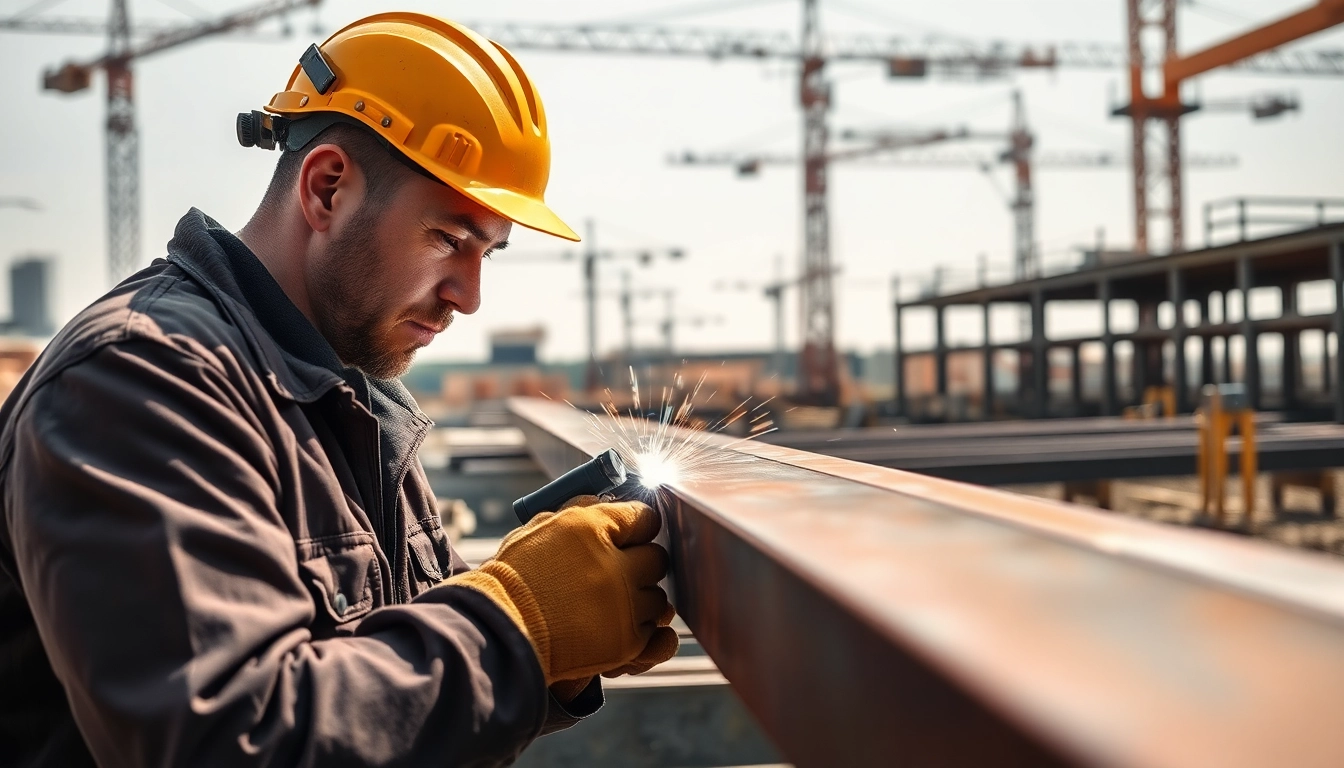
Understanding Structural Steel Welding
What is Structural Steel Welding?
Structural steel welding is a vital process in modern construction and manufacturing, involving the joining of steel components using various welding techniques. It plays a critical role in creating strong, durable frameworks for buildings, bridges, and other structures. Essentially, structural steel welding ensures that individual steel parts are effectively fused together to form a robust, integrated whole capable of bearing substantial loads and withstanding environmental pressures. This collaborative assembly of steel elements allows for design flexibility and improved safety standards in construction.
Key Processes in Structural Steel Welding
The field of structural steel welding encompasses several welding methods, each with unique characteristics and applications. The primary welding processes include:
- MIG Welding (Metal Inert Gas): Utilizes a continuous wire feed as an electrode and an inert gas, typically argon, to shield the weld pool from contamination. It’s ideal for thinner materials and offers speed and versatility.
- TIG Welding (Tungsten Inert Gas): Involves a non-consumable tungsten electrode to produce the weld. It is suitable for precise, high-quality welding and is often used for stainless steel and non-ferrous materials.
- Stick Welding (Shielded Metal Arc Welding): The oldest and most straightforward form of welding, involving a consumable electrode coated in flux. It’s well-suited for outdoor work and works well on dirty or rusty materials.
- Flux-Cored Arc Welding (FCAW): Similar to MIG welding, but uses a tubular wire filled with flux. This method allows for welding in windy conditions and provides a deep penetration necessary for thicker steel.
Each of these processes presents distinct advantages, making them suitable for different project requirements and environmental conditions. Understanding when to apply each technique contributed to the overall design’s functionality and longevity.
Essential Tools and Equipment for Structural Steel Welding
Having the right tools and equipment is crucial in achieving high-quality welds in structural applications. Essential items include:
- Welding Machine: The core component of any welding operation, whether it’s a MIG, TIG, or stick welder. The right machine often includes adjustable settings for voltage and amperage based on the material type and thickness.
- Protective Gear: Safety is paramount in welding. Essential protective equipment includes welding helmets, gloves, and flame-resistant clothing. Proper gear prevents injuries from sparks, heat, and harmful UV radiation.
- Welding Accessories: Tools such as clamps, welding curtains, and magnets ensure effective manipulation and placement of steel parts during the welding process.
- Inspection Tools: Calipers, gauges, and visual inspection tools are vital for ensuring weld quality and adherence to specified standards.
With the right tools, welders can improve efficiency, enhance quality, and ensure safety in their operations.
Techniques for Effective Structural Steel Welding
MIG, TIG, and Stick Welding: Which is Best?
The choice between MIG, TIG, and stick welding ultimately depends on the specifics of the project, including material type, thickness, as well as the environmental conditions. MIG welding is favored for its speed and ease of use, especially in situations requiring quick turnarounds or projects involving thinner materials. In contrast, TIG welding is recognized for producing high-quality, clean welds suitable for critical applications, although it requires more skill and time. Stick welding remains a popular choice for outdoor projects and for use on dirty materials due to its versatility and ability to weld in various positions.
Preparation and Setup for Optimal Welding
Effective preparation is key to high-quality welding outcomes. Steps for optimal welding setup include:
- Surface Cleaning: Remove any contaminants such as rust, paint, and grease from the surfaces to be welded using appropriate cleaning tools or solvents.
- Fit-Up and Alignment: Properly align the workpieces to ensure gaps are minimized. Misalignment can lead to weakened welds and structural failures.
- Selection of Electrode or Filler Material: Select the correct electrode or filler material to match the base materials and the welding process being used.
Following these preparation steps can significantly enhance weld quality and structural integrity.
Tips for Precision in Structural Steel Welding
Achieving precision in welding requires practice and attention to detail. Here are some effective tips:
- Control Heat Input: Adjust the welding machine settings to limit heat input, which can distort the base material.
- Maintain a Steady Hand: A consistent travel speed and angle of the torch can produce uniform weld beads, enhancing both appearance and strength.
- Use the Right Technique: Depending on the process, whether drag or push technique in MIG or a circular motion in TIG, the technique chosen can influence the weld quality.
Implementing these tips can lead to more successful welding outcomes, ensuring that the final product meets both aesthetic and structural requirements.
Benefits of Structural Steel Welding
Durability and Strength: Understanding the Advantages
One of the primary advantages of structural steel welding is the remarkable strength it provides. Welded connections tend to be stronger than bolted or riveted joints, resulting in structures that can endure significant loads over time. Additionally, steel itself is an incredibly durable material, capable of withstanding harsh weather conditions and structural stress without sacrificing integrity.
Cost-Effectiveness of Structural Steel Welding
Structural steel welding can also prove to be a cost-effective solution for construction projects. Firstly, welding can reduce material costs by maximally utilizing each steel component. Secondly, welded structures require less maintenance over their lifecycle. Finally, the speed of welding allows projects to be completed more swiftly, ultimately reducing labor costs.
Environmental Considerations in Structural Steel Welding
Welding processes can be environmentally friendly, particularly when considering that steel is a highly recyclable material. Structural steel can often be repurposed, minimizing waste and resource consumption. Moreover, modern welding technologies strive to reduce emissions and energy usage during the welding process, supporting overall sustainability in construction practices.
Safety Best Practices in Structural Steel Welding
Personal Protective Equipment (PPE) Required
Safety in welding cannot be overstated, making the appropriate use of Personal Protective Equipment (PPE) essential. Welders should ensure they have:
- Welding Helmets: Equipped with auto-darkening filters to protect eyes from sparks and UV light.
- Gloves: Fire-resistant gloves that allow for dexterity while protecting from heat and electrical risks.
- Protective Clothing: Non-flammable clothing covering the body to prevent burns and injuries from sparks.
Utilizing proper PPE plays a vital role in ensuring welder safety during operations.
Identifying and Mitigating Hazards
Identifying potential hazards is crucial before starting any welding task. Common risks include:
- Exposure to fumes and gases generated during welding, which can be harmful to health without proper ventilation.
- Fire hazards posed by sparks and molten material during welding operations, requiring fire extinguishing equipment on-site.
- The potential for electric shock, emphasizing the need for proper grounding of equipment and following safety protocols.
By implementing risk assessments and mitigation strategies, welders can significantly enhance their workplace safety.
Emergency Procedures for Welding Accidents
Despite best efforts at safety, accidents can occur. Having a clear emergency response plan is essential. This plan should include:
- First Aid Training: Ensure that personnel on site are trained in basic first aid procedures.
- Emergency Contacts: Maintain a list of emergency contacts readily accessible in the event of an injury.
- Incident Reporting: Establish a protocol for reporting and documenting accidents to prevent future occurrences.
Regular training and readiness drills can greatly improve reaction times and effectiveness in emergencies.
Future Trends in Structural Steel Welding
Advancements in Welding Technology
Welding technology continues to evolve, with innovations that increase efficiency and finish quality. Advancements such as robotic welding systems are enhancing precision and repeatability, minimizing human error. Automation is also leading to faster production rates, allowing companies to meet demanding project timelines.
Training and Certification for Welding Professionals
As welding technology progresses, ongoing professional development through training and certification becomes increasingly vital. Numerous organizations provide certifications specific to welding techniques and safety standards, ensuring that welders remain proficient and knowledgeable about the latest advancements.
Innovative Applications of Structural Steel Welding in Construction
The application of structural steel welding has expanded beyond traditional structures into innovative areas such as modular construction, which allows for the fabrication of sections off-site. This trend not only speeds up building processes but also allows for improved quality control.
As structural steel welding continues to advance, staying current with trends and best practices will empower professionals in the field to meet the challenges of modern construction effectively.