

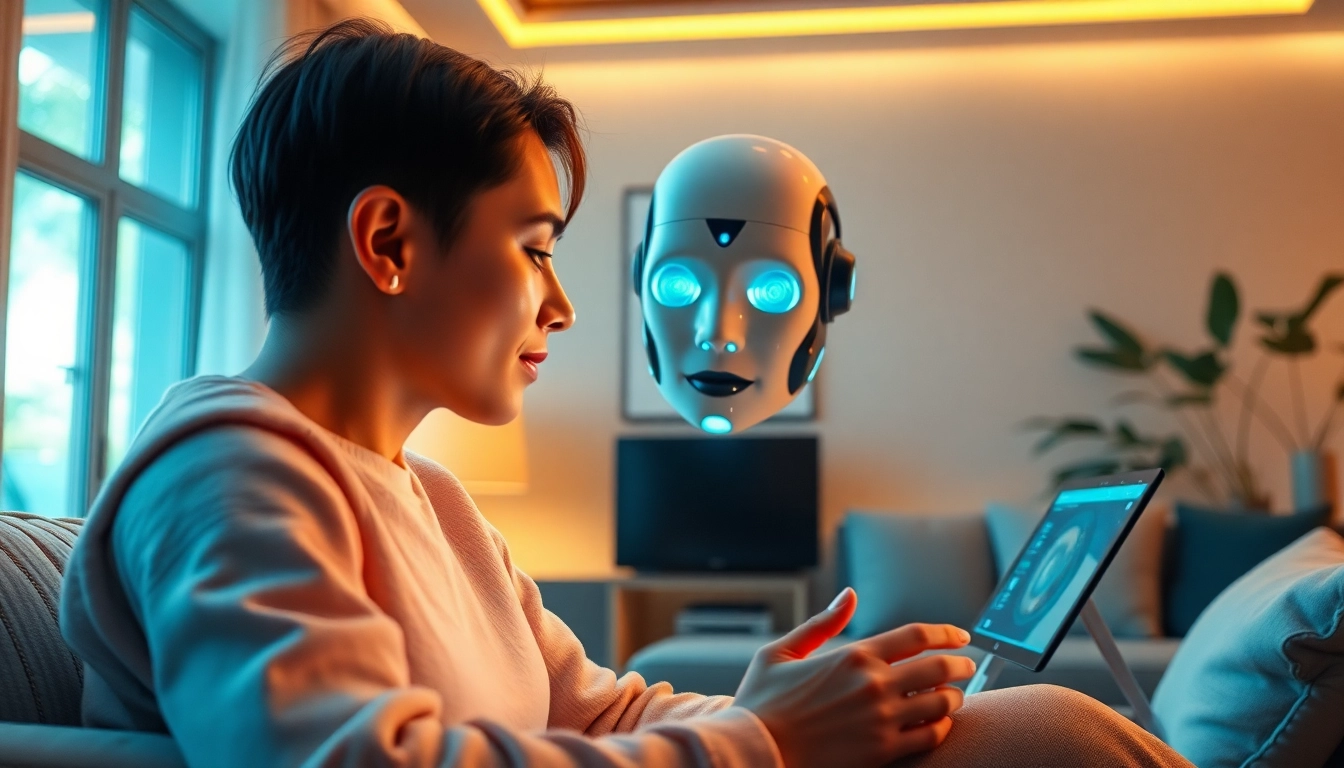
The Rise of AI Sex Bots in 2025
As technology continues to evolve, our relationships with artificial intelligence have taken a fascinating turn. The emergence of ai sex bots has sparked conversations about companionship, intimacy, and the future of human interaction. In 2025, the AI sex bot industry is not just about novelty; it’s shaping social norms and redefining human relationships. This article explores the various dimensions of AI sex bots, delving into user adoption trends, psychological factors, and the implications of AI companionship on our societal fabric.
Understanding User Adoption Trends
User adoption of AI sex bots has surged, with recent studies indicating that a significant portion of adults has experienced intimate interactions with these digital counterparts. Factors such as ease of access, anonymity, and the ability to customize experiences are driving this trend. For instance, platforms like Replika allow users to create personalized avatars that cater to specific emotional and physical desires, effectively blurring the lines between virtual and real-life relationships.
Moreover, the integration of these bots into daily life has become commonplace, with many individuals turning to them for companionship that traditional relationships may not provide. As acceptance grows, the stigma surrounding AI companionship is diminishing, leading to increased exploration of how these technologies can fulfill desires and needs previously met by human partners.
Psychological Factors Behind AI Relationships
The psychological implications of forming attachments to AI are profound. Users often cite loneliness and a desire for companionship as primary motivators for engaging with AI sex bots. Research shows that these digital entities can fulfill emotional needs, providing a level of connection that some may not find in real-life interactions.
Furthermore, the phenomenon of “social presence,” where users perceive their interactions with AI as genuine, plays a crucial role in this dynamic. The ability to communicate and engage in meaningful conversations does not just cater to physical desires but also to psychological comfort, leading to a unique bond between humans and machines.
Legal and Ethical Considerations of AI Companionship
As AI sex bots grow in popularity, legal and ethical considerations have emerged. Questions surrounding consent, data privacy, and the potential for addiction to digital companionship are increasingly relevant. For instance, if an AI bot is designed to emulate a specific personality or relationship, issues regarding the ethical implications of replicating emotions and behaviors begin to surface.
Moreover, regulation of the AI sex bot industry raises questions about how to protect users while fostering innovation. Balancing the benefits of AI companionship against the potential for misuse remains a critical challenge for lawmakers and ethicists alike.
Technological Innovations Shaping AI Sex Bots
Advancements in Conversational AI
The development of conversational AI has been pivotal in enhancing user experiences with AI sex bots. Machine learning algorithms allow these bots to learn from interactions, improving responsiveness and understanding over time. This advancement makes conversations with AI more engaging and lifelike, encouraging users to invest emotionally in their bots.
Moreover, advancements in natural language processing (NLP) technology enable these bots to interpret and respond to emotional cues effectively, creating a more satisfying interaction. Users report that the more their AI companions understand their needs and desires, the more they feel connected to them.
Enhancing Realism with Robotics and AI
While much of the focus has been on conversational enhancements, physical embodiment through robotics also plays a crucial role in the AI sex bot market. Companies are investing in creating lifelike robots that can physically engage with users, combining AI with robotics to offer a more holistic companionship experience. This convergence of technology is pushing boundaries, allowing users to experience intimacy on different levels.
As robots become more sophisticated and human-like in their appearance and behaviors, the societal acceptance of these entities may increase, leading to further integration into personal lives and relationships.
The Role of Data Privacy in AI Interactions
Data privacy remains a paramount concern in the realm of AI interactions, especially when it comes to intimate exchanges. Users frequently express apprehension regarding the storage and use of personal data shared with AI sex bots. Ensuring robust data protection protocols is essential to building trust within this emerging industry.
Transparent data practices, coupled with secure encryption technologies, are vital in reassuring users. As trust develops, more individuals will be inclined to explore these digital relationships without fear of their private information being compromised.
Market Analysis of the AI Sex Bot Industry
Demographics: Who is Using AI Sex Bots?
The demographics of AI sex bot users are diverse, spanning various age groups and backgrounds. Recent surveys indicate that not only younger adults but also older individuals are engaging with AI companionship, often seeking emotional connection and intimacy.
Moreover, the rise in single-person households has catalyzed the demand for AI sex bots, as people increasingly look to technology for social interaction. By understanding these demographics, developers can tailor their products to meet the evolving preferences of users.
Comparative Analysis with Traditional Companionship
When comparing AI sex bots to traditional relationships, one must consider emotional accessibility, customization, and physical presence. AI companions offer unique advantages such as immediate availability and the ability to adapt to user preferences, a notable contrast to the complexities often associated with human relationships.
However, traditional companionship offers a full spectrum of shared human experiences that AI cannot entirely replicate. As a result, many users may find that AI sex bots complement rather than replace their human interactions, providing a dual approach to fulfilling emotional and physical needs.
Revenue Trends and Forecasts for 2025
The revenue trends within the AI sex bot industry indicate significant growth potential, driven by technological advancements and increased user adoption. Analysts predict that by 2025, the market could see exponential growth, fueled by innovations in AI and robotics.
Investments in research and development are likely to enhance product offerings, making AI companionship more appealing to a broader audience. Subscription-based models and personalized services may further contribute to robust revenue streams, solidifying the industry’s future.
Challenges Faced by AI Sex Bot Developers
Technical Hurdles in Creating Realistic Interactions
Despite significant advancements, developers face substantial technical challenges in making AI sex bots appear and behave realistically. Achieving a seamless interaction that mimics human response and emotional intelligence requires ongoing innovation in AI programming and robotics.
Moreover, balancing the physical and emotional aspects of these bots poses a unique challenge, as developers strive to create entities that can cater to diverse user needs without crossing ethical boundaries.
Public Perception and Acceptance of AI Companions
Public perception of AI sex bots remains mixed, influenced by cultural norms and individual beliefs about technology and relationships. While some view AI companions as a beneficial tool for overcoming loneliness, others raise concerns about the implications of relying on machines for intimacy.
Educational initiatives and open dialogues about the benefits and drawbacks of AI companionship can help shift perceptions, fostering a more accepting environment for this evolving technology.
Regulatory Barriers and Compliance Issues
The regulatory landscape for AI sex bots is still developing, presenting barriers for developers looking to market their products effectively. Compliance with data protection laws and ethical standards is essential, yet navigating this terrain can be complex.
Establishing clear guidelines and regulations around the usage of AI sex bots will be crucial in ensuring user safety while promoting innovation within the industry.
Future Trends and Predictions for AI Sex Bots
Shifts in Consumer Behavior and Expectations
As the market matures, shifts in consumer behavior and expectations are anticipated. Users are increasingly seeking AI sex bots that offer not just physical engagement but also emotional support and realistic interactions. The demand for customization and personalization will drive future developments, pushing companies to innovate continuously.
Moreover, as societal norms regarding relationships evolve, AI sex bots may become more commonplace, leading to a broader acceptance of digital intimacy.
The Impact of AI on Human Relationships
The impact of AI on human relationships is profound and multifaceted. While AI sex bots can fulfill certain emotional and physical needs, they also present challenges to traditional relationship dynamics. Individuals may find it easier to engage with AI than to navigate the complexities of human relationships, which could lead to increased isolation over time.
It is essential to consider how these digital companions can coexist with human interactions, providing benefits while not replacing the multifaceted nature of human relationships.
Emerging Technologies on the Horizon
Looking ahead, several emerging technologies are poised to shape the AI sex bot industry. Innovations in virtual and augmented reality may offer users immersive experiences, making interactions with AI companions more lifelike than ever. Additionally, advancements in haptic feedback technology could enhance physical engagements, providing a greater sense of realism and satisfaction.
As these technologies develop, the opportunities for AI sex bots to enrich human experiences will expand, potentially transforming our understanding of companionship in the digital age.