

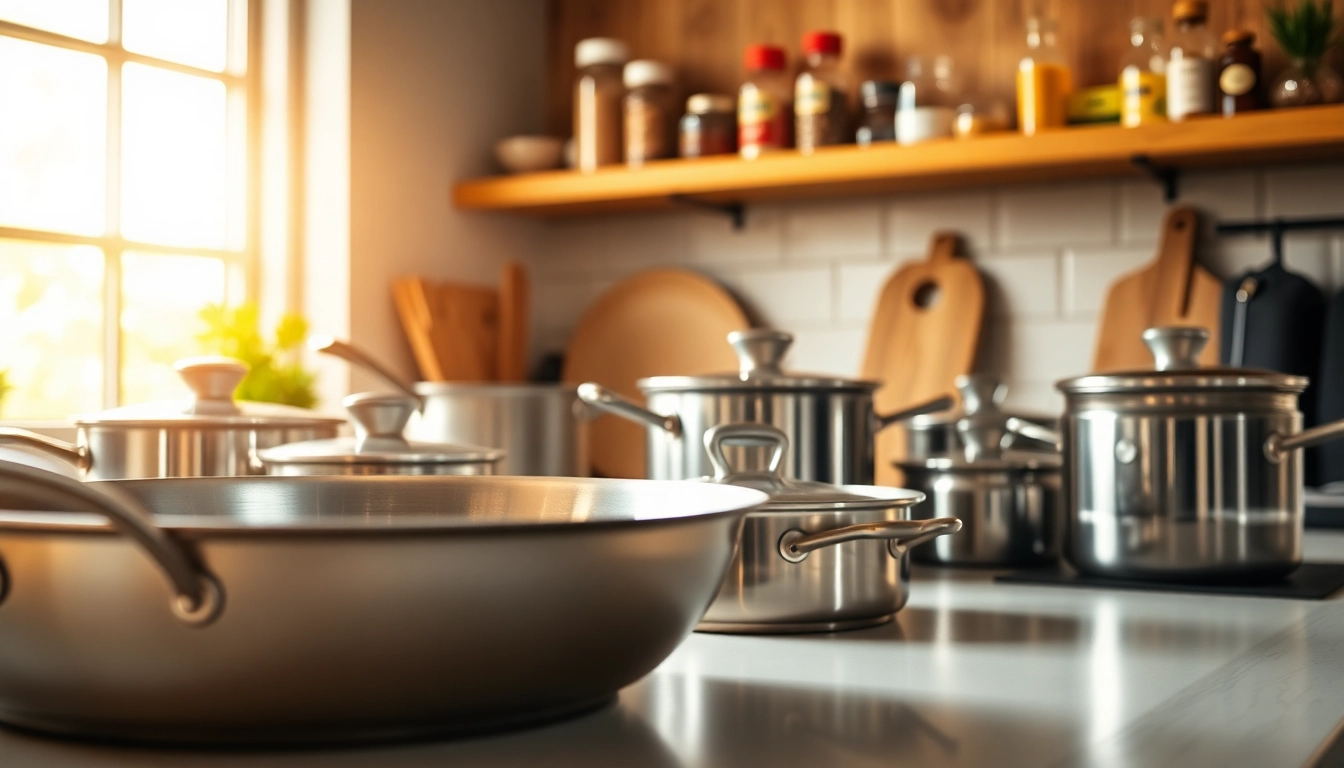
Choosing the right cookware can transform your culinary experience, making it both enjoyable and efficient. The cookware you select plays a pivotal role in determining the outcome of your dishes, influencing everything from flavor to presentation. Understanding the various types of cookware, their essential features, and how to pair them with different cooking techniques can significantly enhance your kitchen skills. Explore the world of cookware and empower your cooking journey.
Understanding Different Types of Cookware
The selection of cookware available today can be overwhelming. Each type is designed with unique materials, advantages, and functions that cater to specific cooking needs. Here, we delve into the most common types of cookware found in kitchens around the world.
Nonstick Cookware
Nonstick cookware is celebrated for its ability to prevent food from adhering to the surface. This characteristic allows for low-fat cooking and simplifies cleanup. Most nonstick cookware is coated with a synthetic polymer, such as polytetrafluoroethylene (PTFE), which possesses a smooth surface ideal for cooking delicate ingredients like eggs or fish. There is a growing trend towards healthier options, and ceramic nonstick cookware is gaining popularity due to its non-toxic properties.
Stainless Steel Cookware
Stainless steel cookware is known for its durability, resistance to rust, and resistance to scratching. It does not react with acidic foods, making it a favorite among professional chefs. With excellent heat retention, stainless steel cookware provides even cooking temperatures and is particularly adept for browning meats and deglazing pans.
Cast Iron Cookware
Cast iron cookware is renowned for its exceptional heat retention and distribution. Perfect for frying and baking, cast iron pans develop a natural nonstick coating when seasoned properly. Though heavy and requiring more maintenance, such as seasoning and proper cleaning, dishes prepared in cast iron tend to exhibit deeper flavors and richer textures.
Essential Features to Look for in Cookware
When investing in cookware, consider these critical features to ensure you select the right products for your kitchen.
Heat Conductivity
Heat conductivity is paramount in cookware selection. A material’s ability to conduct heat evenly impacts cooking efficiency. Stainless steel often requires a copper or aluminum core to improve conductivity, while cast iron offers excellent retention once heated but may take longer to reach desired temperatures. Nonstick pans typically heat quickly, making them suitable for speedy cooking as well.
Durability
Durability directly influences how long the cookware will last under regular use. Stainless steel and cast iron are among the most durable materials, while nonstick surfaces may require replacement after several years due to wear and tear. Evaluate warranty options and user reviews to gauge durability before making a purchase.
Ease of Maintenance
Cookware that simplifies maintenance is a worthwhile investment. Nonstick options are generally easier to clean but may require special utensils to avoid scratching. Stainless steel and cast iron can be more challenging to maintain but often improve with proper care and seasoning. Consider how much time and effort you are willing to spend on maintenance when choosing your cookware.
Matching Cookware with Cooking Techniques
Knowing the right cookware for specific cooking methods can elevate your culinary skills and deliver perfect results every time. Below are some common cooking techniques and the best cookware to use for each.
Frying and Searing
When frying or searing, prioritize cookware that retains heat efficiently. Stainless steel frying pans or well-seasoned cast iron skillets are optimal for achieving a nice sear on meats. Nonstick pans can be beneficial for delicate items, reducing the risk of sticking and breaking, which is perfect for fish or eggs.
Simmering and Saucing
For simmering sauces or soups, consider heavier pots such as those made of stainless steel or enameled cast iron. These materials balance rapid heating with consistent heat retention. This is essential for developing rich flavors in sauces as they allow for even cooking without hot spots.
Baking and Roasting
Baking and roasting typically require specific types of cookware. Nonstick baking sheets are great for cookies, while glass and ceramic dishes are ideal for casseroles and lasagnas. When roasting meats, a heavy-duty metal roasting pan ensures even heat distribution and browning.
Brands to Consider for Quality Cookware
While several brands dominate the cookware market, each offers unique strengths suited for various cooking styles and budgets. Consider the following options:
Community Favorite Brands
Among home cooks, certain brands have achieved a special place in the hearts of food enthusiasts. They are frequently recommended for their quality and performance, blending innovative design with practicality.
Emerging Culinary Creators
New brands are emerging, driven by passionate culinary creators aiming to deliver exceptional cookware that meets modern kitchen demands. These companies often prioritize sustainable materials and innovative features, capturing the interest of eco-conscious consumers.
Premium versus Budget Options
Understanding the difference between premium and budget cookware can assist in making informed purchasing decisions. While premium options tend to offer superior materials, craftsmanship, and longevity, budget options can still deliver satisfactory performance, especially for novice cooks. Balancing budget priorities with quality needs is essential.
Frequently Asked Questions About Cookware
What material is best for cookware?
The best material depends on cooking methods. Stainless steel is versatile, cast iron excels at heat retention, and nonstick is great for easy cleaning.
How to maintain nonstick cookware?
Keep nonstick cookware in top shape by using silicone or wooden utensils, hand washing, and avoiding high heat to prolong the coating.
Can cookware be used in the oven?
Many cookware types, such as cast iron and stainless steel, can be used in the oven, but always check the manufacturer’s guidelines for specific limitations.
What are the best cookware sets for beginners?
Beginner-friendly cookware sets often include a mix of nonstick and stainless steel, providing versatile options for various cooking methods and meals.
How to choose the right cookware size?
Select cookware size based on meal portions and family size; larger pots are suitable for soups or stews, while smaller pans work for sautéing and frying.