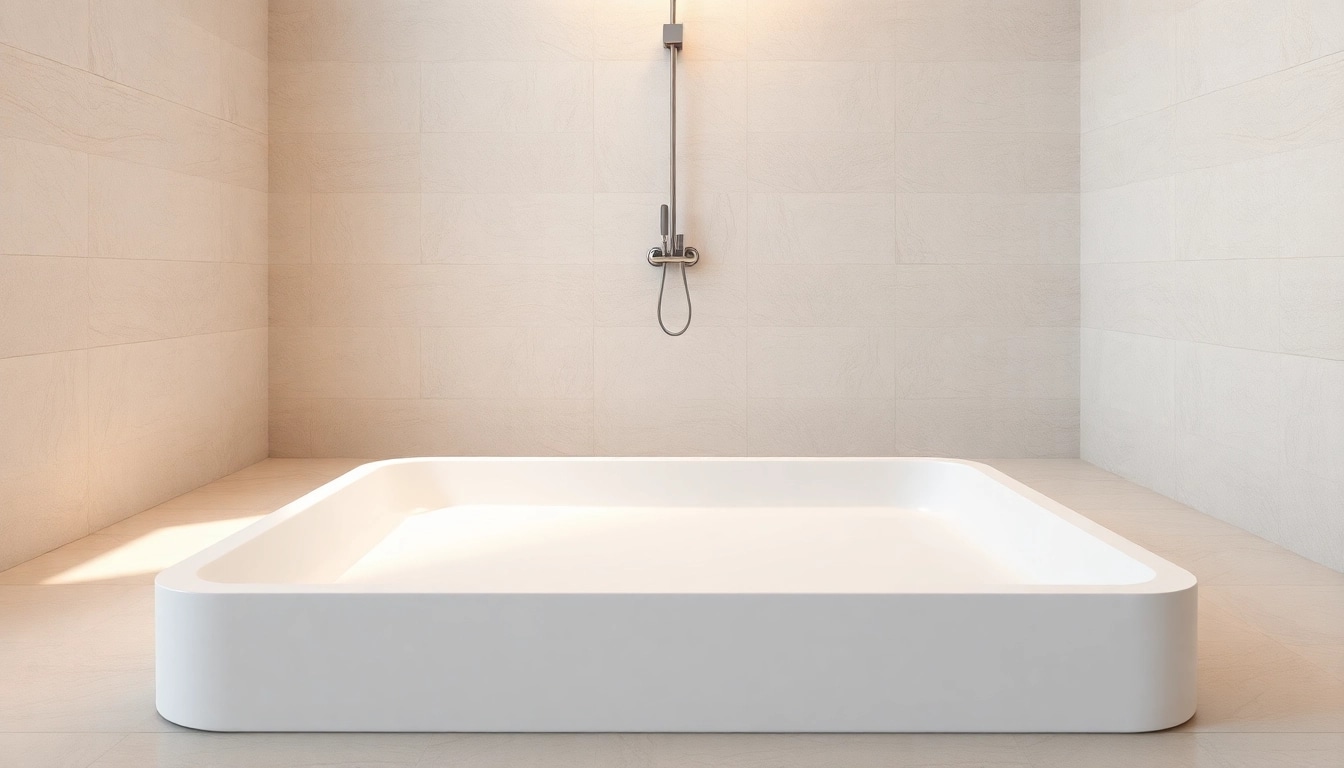
Understanding Shower Base Options
Choosing the right shower base is crucial for any bathroom renovation or construction project. With a wide variety of options available, understanding the key characteristics of different shower bases will help you make an informed decision. This overview explores various types, materials, and design considerations when selecting the perfect shower base for your needs.
Types of Shower Bases
Shower bases come in multiple designs and configurations, each suited to specific preferences and layouts. The primary types include:
- Standard Rectangular Bases: These are the most common and fit well into typical shower enclosures. They easily accommodate standard-size shower doors and are versatile for various bathroom designs.
- Neo-Angle Bases: Ideal for corner installations, neo-angle bases maximize space in smaller bathrooms by having a unique angular design, allowing better movement and standing room.
- Custom Shower Pans: For those seeking a specific design not available in pre-formed bases, custom shower pans provide flexibility in size and shape, enabling a perfect fit according to individual specifications.
- Barrier-Free Bases: Perfect for creating a seamless transition from the bathroom floor into the shower, these bases are suitable for accessible designs, often favored in aging-in-place renovations.
Material Comparisons
The material of a shower base significantly affects its performance, durability, and aesthetic appeal. Common materials include:
- Acrylic: Lightweight and easy to install, acrylic shower bases are resistant to chipping and cracking. Their smooth surfaces make cleaning a breeze, but they may be less durable than other materials.
- Fiberglass: This budget-friendly option is similar to acrylic but generally less durable. Fiberglass bases tend to be more vulnerable to scratches and discoloration over time.
- Porcelain Enamel on Steel: Often found in traditional settings, this material is sturdy; however, it can chip easily. The enamel surface provides a glossy finish but may be less comfortable underfoot.
- Natural Stone: Stone bases add luxury and uniqueness but often require more maintenance and sealing. They offer a natural look that can elevate the overall aesthetics of the bathroom.
- Solid Surface: Made from a blend of acrylic and natural minerals, solid surface bases provide durability and ease of maintenance with a variety of colors and designs available.
Design Considerations
Selecting the right shower base involves more than just the definitive type and material; it encompasses a range of design elements aimed at balancing functionality with style:
- Size and Shape: For a harmonious bathroom design, the shower base should align with existing fixtures and layouts. Consider walking space, door swings, and potential obstructions.
- Height and Installation Type: Deciding on a drop-in or flush-mounted base can alter the overall look and drainage capability. It’s essential to evaluate your plumbing and floor construction when making such decisions.
- Texture and Finish: Non-slip surfaces enhance safety, while aesthetic finishes can complement or contrast with the overall bathroom decor. Choices range from matte to glossy finishes, and the texture should fit the intended design style.
- Color Coordination: The shower base color should blend with the rest of the bathroom scheme. Neutral colors tend to be versatile, while bold shades can add character.
Benefits of High-Quality Shower Bases
Investing in a high-quality shower base can lead to numerous advantages that enhance your bathing experience and increase the longevity of your setup. Here's an in-depth look at the benefits:
Durability and Longevity
High-quality shower bases are engineered to withstand daily wear and tear. Durable materials help prevent chips, cracks, and degradation over time, ensuring you won't need to replace your base shortly after installation. For instance, a solid surface shower base can resist scratches and stains, making it a long-lasting investment.
Ease of Maintenance
Maintaining cleanliness in your shower space is crucial for hygiene and aesthetic benefits. Quality shower bases typically feature non-porous surfaces that resist mold and mildew growth, allowing for easy cleaning with standard household cleaners. The less maintenance required, the more time you have to enjoy your beautiful bathroom.
Enhancing Aesthetics
Your shower base plays a pivotal role in the overall bathroom design. A high-quality base offers various styles and finishes, allowing you to customize your space. Whether you prefer a sleek modern look or a more traditional feel, choosing the right shower base can significantly enhance the visual appeal of your bathroom.
Installation Guides for Shower Bases
Installing a shower base correctly is crucial for optimal performance and preventing leaks. Here’s a comprehensive guide to ensuring a successful installation:
Preparing the Area
Before installation, ensure your workspace is clean and free of debris. Gather essential tools, including level, tape measure, and adhesive. Ensure the subfloor is solid and level; you may need to adjust for any irregularities before proceeding with the installation.
Step-by-Step Installation Process
- Dry Fitting: Place the shower base in the intended location to ensure a proper fit. Make adjustments as necessary.
- Install Drain: Align the drain with the existing plumbing, following the manufacturer’s guidelines.
- Apply Adhesive: Use a suitable adhesive based on the material of your shower base. Apply it evenly to the bottom of the base.
- Set the Base: Gently press down on the base and check it with a level. Make sure it’s properly aligned and adjust if necessary.
- Secure Drain Connections: Connect the drain to the plumbing. Ensure no leaks are present.
- Sealant Application: Apply silicone sealant around the edges to prevent water seepage. Allow it to cure as per manufacturer recommendations.
Common Installation Mistakes
Avoid these pitfalls during installation to ensure a successful outcome:
- Forgetting to check the level of the base, leading to drainage issues.
- Not allowing adhesive to set as per instructions, compromising the strength of the bond.
- Neglecting to seal edges properly, resulting in leaks down the road.
- Attempting to install on an uneven subfloor without proper adjustments or supports.
Waterproofing and Drainage Solutions
Effective waterproofing and drainage solutions are essential to maintain the integrity of your shower base and prevent water damage. Here’s what you need to know:
Importance of Effective Waterproofing
Waterproofing protects your home from the harmful effects of moisture and mold growth. It is essential to ensure both the shower base and surrounding areas are adequately sealed. A proper waterproofing layer reduces the risk of leaks that can lead to severe structural damage.
Drainage Options for Shower Bases
Choosing the right drainage system plays a significant role in shower functionality. Common options include:
- Standard Center Drain: This traditional option is suitable for most shower configurations, ensuring efficient drainage.
- Linear Drains: These provide a sleek, modern look while efficiently draining water across a larger surface area. They can be installed along the wall or at the entrance of the shower.
- Tile-In Drains: For a custom appearance, tile-in drains integrate seamlessly with the shower floor, allowing for design flexibility.
Addressing Common Drainage Issues
Some common drainage issues include:
- Clogs: Regular maintenance and using a strainer can help minimize buildup of hair and soap.
- Poor Drainage: Ensure the shower base is level and correctly aligned with the drain to prevent standing water.
- Bad Odor: Regular cleaning of the drain can alleviate unpleasant odors, ensuring a fresh shower space.
FAQ: Your Questions About Shower Bases Answered
How do I choose the right size for a shower base?
To choose the right size, measure the available space and consider the entire shower enclosure. Ensure there is enough room for comfortable movement and any additional fixtures.
Can shower bases be repaired if damaged?
Yes, many shower bases can be repaired using specialized kits. For minor cracks or chips, epoxy or similar materials may suffice, but consult a professional for extensive damage.
What materials are commonly used for shower bases?
Common materials include acrylic, fiberglass, porcelain enamel on steel, natural stone, and solid surface. Each offers distinct benefits based on your budget and style preferences.
How do I clean and maintain my shower base?
Use non-abrasive cleaners and a soft cloth to maintain your shower base. Regularly check for mold or mildew, particularly in grout lines, and handle any buildup promptly.
What should I consider when installing a shower base?
Consider the level of the subfloor, the type of drain system, and proper waterproofing techniques. Always refer to the manufacturer’s installation guidelines for the best results.