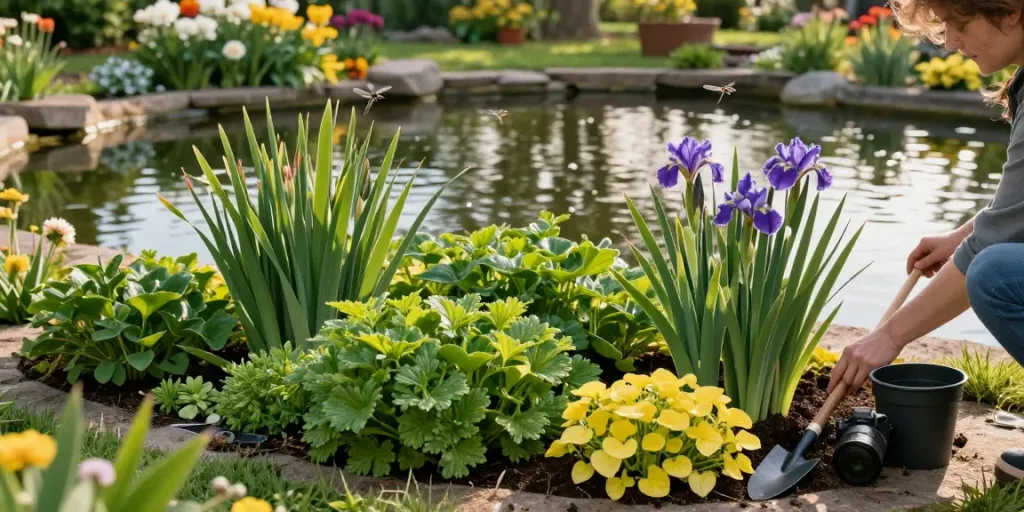
Understanding Marginal Pond Plants
Marginal pond plants are an essential component of a healthy aquatic ecosystem, growing in the shallow waters at the edges of ponds, lakes, or wetlands. These plants thrive at water depths ranging from a few inches to approximately 12 inches, making them uniquely suited to add beauty and functionality to your water garden. When exploring options, Marginal Pond Plants can enhance the aesthetics of your pond while contributing to water quality and wildlife habitat.
What Are Marginal Pond Plants?
Marginal pond plants, often referred to as bog plants or shallow water plants, are characterized by their growth patterns that include both submerged and emergent forms. They typically grow along the margins of water bodies where water is shallow, providing essential habitats for various aquatic life. Many of these plants can be identified by their lush foliage, colorful flowers, and intricate root systems that stabilize the soil and prevent erosion.
The Benefits of Using Marginal Pond Plants
Incorporating marginal pond plants into your water garden offers numerous benefits:
- Water Filtration: Their root systems help filter pollutants, improving water clarity and quality.
- Wildlife Habitat: They provide shelter and breeding grounds for frogs, fish, and beneficial insects.
- Aesthetic Appeal: With diverse colors and textures, they enhance the visual interest of your pond.
- Erosion Control: The roots hold the soil together, preventing bank erosion.
Common Types of Marginal Pond Plants
There are numerous species of marginal pond plants to consider for your garden, each offering unique characteristics:
- Water Iris: Known for their striking flowers and lush foliage.
- Pickerel Rush: Produces beautiful blue flower spikes and thrives in shallow water.
- Sweet Flag: Features aromatic leaves and acts as a natural biofilter.
- Blue Flag Iris: A hardy plant that attracts pollinators and thrives in mucky soils.
Choosing the Right Marginal Plants for Your Pond
Selecting the appropriate marginal plants ensures that your pond not only looks beautiful but functions effectively as an ecosystem. Understanding your pond's specifics, such as depth and light conditions, will guide your choices.
Factors to Consider When Selecting Plants
Before making your selection, consider these essential factors:
- Water Depth: Know the average depth of your pond to choose plants suited to that environment.
- Sunlight Exposure: Identify whether your pond receives full sun, partial shade, or full shade.
- Soil Type: Assess the soil composition; many marginal plants prefer nutrient-rich, mucky soil.
Best Marginal Pond Plants for Filtration and Aesthetics
When looking for plants that offer both functional benefits and visual appeal, consider the following:
- Yellow Flag Iris: Adds bright color and thrives in wet soils while filtering water.
- Water Mint: Provides fragrance and habitat for wildlife, also good at purifying water.
- Marsh Marigold: Early spring blooms that are attractive to pollinators.
Matching Plants to Your Pond's Environment
Understanding your pond's ecosystem is crucial for the successful selection of plants. For example, if your pond is located in a sunny spot with minimal shade, choose sun-loving plants like Blue Flag Iris. Conversely, in shadier areas, plants such as Water Forget-Me-Not may thrive better.
Preparing Your Pond for Marginal Plants
Once you have chosen your marginal plants, preparing your pond is the next step to ensure their successful growth and integration into your ecosystem.
Creating the Ideal Habitat for Marginal Pond Plants
To create an environment conducive to healthy growth, focus on the following:
- Structural Elements: Incorporate planting shelves or ledges to support plant roots.
- Water Quality: Regularly test and manage pH and nutrient levels to provide optimal conditions.
Water Depth and Soil Considerations
Ensure that the depth of water in planting areas aligns with the needs of your selected plants. Marginal plants prefer a water depth of between 1 to 12 inches. Additionally, amend soil with organic matter to promote growth; this will enhance nutrient content and improve moisture retention.
Setting Up Planting Areas in Your Pond
Divide your pond into sections or zones based on the needs of different plant species. Designate areas that receive varying amounts of sunlight and shade, ensuring that each plant has the necessary conditions to thrive.
Planting and Caring for Marginal Pond Plants
Successfully planting marginal plants requires attention to detail and ongoing care, ensuring their integration into your pond is seamless and sustainable.
Step-by-Step Planting Guide
- Prepare the planting area by clearing debris and ensuring the soil is nutrient-rich.
- Plant in clumps or groups to create a natural look while providing coverage for wildlife.
- Gently place the plants in the designated areas, ensuring the root crowns are just above water level.
Watering and Nutrient Needs for Healthy Growth
While marginal plants are accustomed to wet conditions, ensure they do not sit in stagnant water. Regularly check moisture levels, especially during dry spells, and apply organic fertilizers as per specific plant requirements.
Common Challenges and How to Overcome Them
Like any garden, maintaining a pond with marginal plants can present challenges:
- Pest Control: Watch for pests and address infestations early.
- Overgrowth: Regularly trim back plants that become too dominant to maintain balance.
- Water Quality Issues: Monitor and manage algae growth and nutrient levels.
Future Trends in Pond Gardening with Marginal Plants
As we look to the future of pond gardening, several innovative trends are emerging that can influence how gardeners approach marginal planting.
Innovative Approaches to Pond Planting in 2026
The integration of technology in gardening has expanded to include automated monitoring systems for pond health, combining traditional gardening techniques with smart solutions to enhance plant care.
Emerging Plant Varieties and Their Benefits
New hybrid varieties are being developed to offer more robust disease resistance and adaptability to changing climate conditions. Keeping abreast of these developments can help you choose the best plants for your specific environment.
Integrating Technology into Pond Management
Utilizing apps and online resources to track plant health, water quality, and maintenance schedules can make managing your pond simpler and more efficient. This tech-forward approach can enhance your gardening experience significantly.
What are the best marginal plants for ponds?
The best marginal plants for ponds often include water lilies, iris, and forget-me-nots, as they provide both aesthetic and ecological benefits.
How deep do you plant marginal pond plants?
Marginal pond plants should be planted in water that is typically between 1 to 12 inches deep, depending on the specific needs of the species.
What do marginal pond plants mean?
Marginal pond plants refer to those aquatic plants that flourish at the edges or margins of water bodies, often providing crucial habitat and filtration benefits.
What are the best plants to put in a small pond?
In a small pond, consider compact varieties of marginal plants such as dwarf water lilies, mini iris, and other low-growing types that will not overcrowd the space.
How to care for marginal pond plants?
Caring for marginal pond plants involves regular monitoring of water quality, ensuring they receive adequate sunlight, and trimming back overgrowth. Proper soil amendments can also bolster their health and growth.