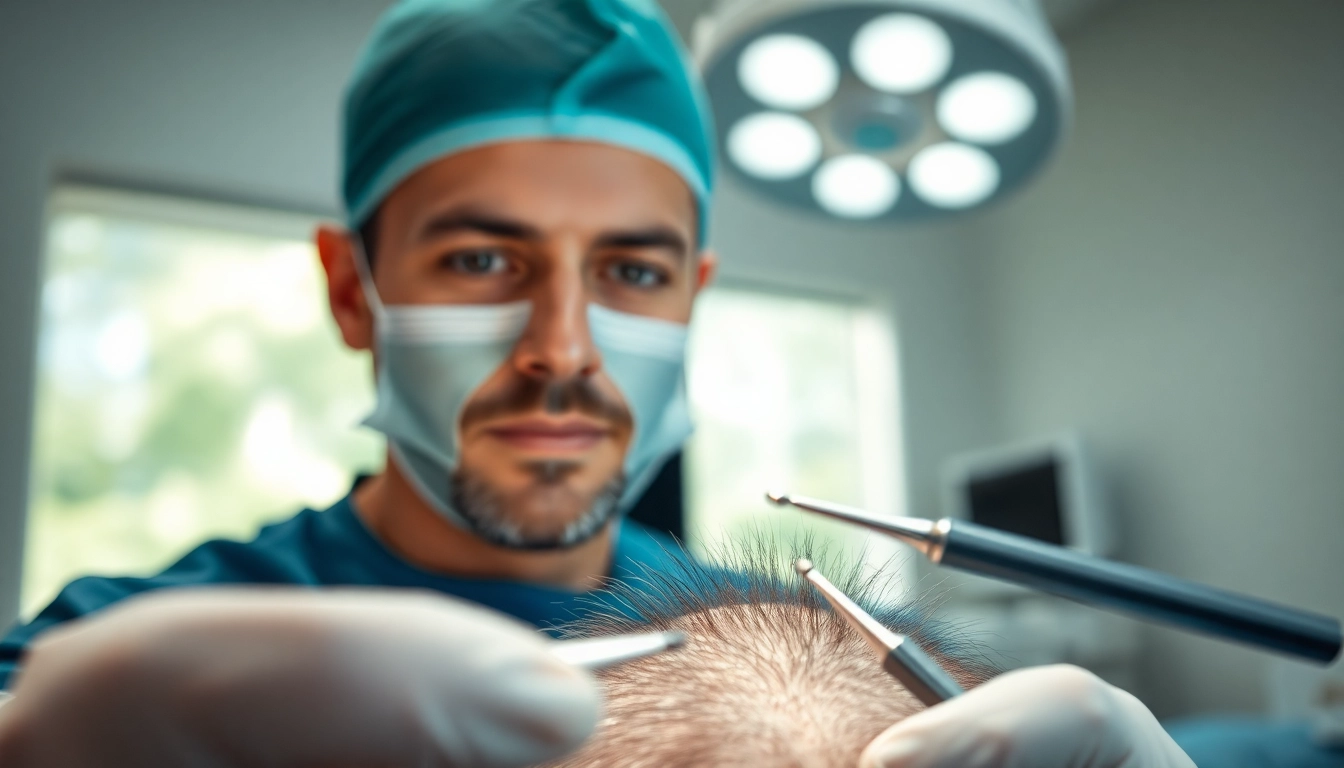
Understanding Hair Transplant
As societal attitudes shift toward embracing personal aesthetics, hair transplant procedures have gained significant attention. This opt-in surgical technique allows individuals to restore their hairline and combat hair loss, enhancing both their appearance and confidence. In this comprehensive guide, we will explore the essence of hair transplants, the types available, and whether you qualify for this transformative process. For further detailed information, you can explore the hair transplant options that suit your needs best.
What is a Hair Transplant?
A hair transplant is a surgical procedure that relocates hair follicles from a suited area of the body—often referred to as the "donor site"—to a bald or thinning region on the scalp known as the "recipient site." This technique primarily aids in restoring hair for individuals dealing with androgenetic alopecia, commonly known as male or female pattern baldness. The result is permanent hair growth as the transplanted follicles retain their genetic coding from the donor site, primarily resisting the effects of thinning.
Different Types of Hair Transplants
Understanding the different types of hair transplants is essential for anyone considering this option. The most prevalent types are:
- Follicular Unit Extraction (FUE): In this modern technique, individual hair follicles are harvested directly from the donor area and implanted in the thinning regions. This minimally invasive approach results in smaller scars and quicker recovery times.
- Follicular Unit Transplantation (FUT): Also known as strip harvesting, this technique involves removing a strip of skin from the donor area, extracting individual follicles from this strip, and then implanting them into the recipient site. This method can facilitate larger hair transplants but may leave a more sizable scar.
Who is a Candidate for Hair Transplant?
Not everyone is an ideal candidate for hair transplants. Generally, good candidates are those with:
- Stable hair loss where pattern baldness has reached a plateau.
- Insufficient hair coverage in the donor area but enough healthy hair for optimal harvesting.
- Realistic expectations about the potential results.
Individuals suffering from certain medical conditions or those who are precluded from surgical procedures may not qualify. It's crucial to engage in a thorough consultation with a qualified professional to assess your candidacy.
Hair Transplant Techniques Explained
The techniques utilized in hair transplant procedures have evolved significantly. Each method boasts unique benefits and intricacies, making it essential to understand how they differentiate from one another.
Follicular Unit Extraction (FUE)
FUE is considered one of the most advanced methods in hair restoration. In this method, hair follicles are extracted one by one from the donor site, which is usually the back or sides of the scalp, and transplanted into the thinning or balding regions. This technique offers numerous advantages:
- Minimally Invasive: With no strips of skin removed, the scarring is significantly reduced, resulting in a more aesthetic appearance post-surgery.
- Faster Recovery: Patients usually heal quicker post-procedure, perfect for those looking to return to everyday life with minimal downtime.
- Flexibility: FUE enables hair transplantation from various donor areas, not just the scalp, providing options for diverse patients.
Follicular Unit Transplantation (FUT)
FUT, or strip harvesting, has been a staple of hair restoration procedures for many years. This technique starts with surgically removing a strip of skin from the donor area, which is then dissected into individual follicular units for transplantation. The following points highlight its features:
- Higher Yield: Typically allows for the transplantation of a larger number of grafts in one session.
- Cost-Effectiveness: Often considered more cost-effective than FUE because of the larger number of grafts obtained at once.
- More Suitable for Extensive Hair Loss: Ideal for patients requiring extensive coverage due to significant hair loss.
Robotic Hair Transplantation
Robotic hair transplantation is an innovative approach that combines robotic technology with traditional FUE techniques. This method enhances precision and efficiency by using sophisticated systems to identify and extract hair follicles autonomously. Some notable benefits include:
- Increased Precision: Robotics provides a level of accuracy impossible to achieve by hand, minimizing the risk of excessive trauma to the scalp.
- Time-Saving: Procedures are often quicker due to the automation of hair extraction.
- Consistent Results: The technology allows for consistent results across surgical sessions, enhancing patient satisfaction.
Preparing for a Hair Transplant
Preparing for a hair transplant is crucial to ensure the best possible outcome. Proper preparation involves several steps, including consultations, assessments, and clinic selection.
Initial Consultation Process
The first step in preparing for a hair transplant is the initial consultation. During this session, a healthcare professional will evaluate your medical history, analyze your hair loss, and discuss your desired outcomes. You will learn about the available techniques and develop an individualized treatment plan.
Health Assessments and Considerations
For optimal results, it’s essential to undergo a health assessment before the procedure. Conditions such as diabetes, autoimmune diseases, or infections may need to be managed prior to treatment. It's crucial to be transparent with your medical history to facilitate a safe process.
Choosing the Right Clinic
Choosing a reputable clinic is paramount in ensuring a successful hair transplant. Look for clinics with board-certified surgeons, transparent reviews, and extensive experience in hair restoration. Visiting multiple clinics may provide broader insights into what to expect and assist you in finding a place that feels comfortable and trustworthy.
Post-Procedure Care and Expectations
Post-procedure care is as vital as preparation. Proper aftercare will aid in quicker recovery and healthier results. Understanding what to expect is essential to navigate the recovery process effectively.
Recovery Timeline for Hair Transplant
The recovery timeline differs for each individual, but there are common stages to expect:
- First Week: Expect some swelling and redness. The transplanted hair may fall out, known as "shock loss," but this is temporary.
- Weeks 2-4: Healing progresses as scabs begin to slough off. Most of the discomfort subsides during this period.
- Month 3-6: New hair growth typically begins to emerge within this timeframe, with gradual improvement in appearance.
Caring for Transplanted Hair
Caring for your transplanted hair involves gentle washing and avoiding harsh products or styles that may stress the hair follicles. Your surgeon may provide a specialized shampoo or aftercare products to enhance recovery.
Potential Side Effects and Management
Side effects can occur, including swelling, tenderness, or itching in the transplant area. These side effects are generally mild and manageable with over-the-counter medications. It is essential to follow your surgeon’s post-operative recommendations to manage any side effects effectively.
Cost and Financial Considerations
Understanding the financial implications of a hair transplant is vital for anyone considering the procedure. Hair transplant costs can vary significantly based on technique and clinic reputation.
Average Costs of Hair Transplant
The average cost of hair transplants typically ranges from $4,000 to $15,000, depending on the extent of treatment and the number of grafts required. FUE procedures usually come at a premium due to their technical complexity and time required.
Insurance and Financing Options
Hair transplants are often not covered by insurance, as they are typically considered elective procedures. However, many clinics offer financing options to ease the payment burden. Researching your payment options and discussing financing plans with your clinic can help make this investment more manageable.
Value of Investing in Hair Restoration
Investing in hair restoration not only enhances your appearance but also boosts self-esteem and can significantly affect personal or professional relationships. The confidence that comes from a fuller head of hair can lead to improved quality of life, making the financial commitment worthwhile for many.
FAQs about Hair Transplant
How painful is a hair transplant?
The procedure typically does not hurt as anesthesia is administered to numb the scalp. Patients may feel some discomfort or pressure, but most report a manageable experience.
Is hair transplant 100% successful?
Hair transplant surgeries boast over a 90% success rate, meaning most patients achieve satisfactory results, although individual outcomes may vary.
What should I expect during recovery?
Post-operative recovery may involve swelling and tenderness for the first week. Patients should see new hair growth within three to six months as the follicles take root.
How long do the results last?
Results from a hair transplant are typically permanent, as the relocated follicles retain their genetic traits from the donor area, which helps them resist future hair loss.
Are there any risks involved?
While generally safe, risks include infection, scarring, and an unfavorable aesthetic result. Discussing potential risks with a qualified professional can help mitigate concerns.