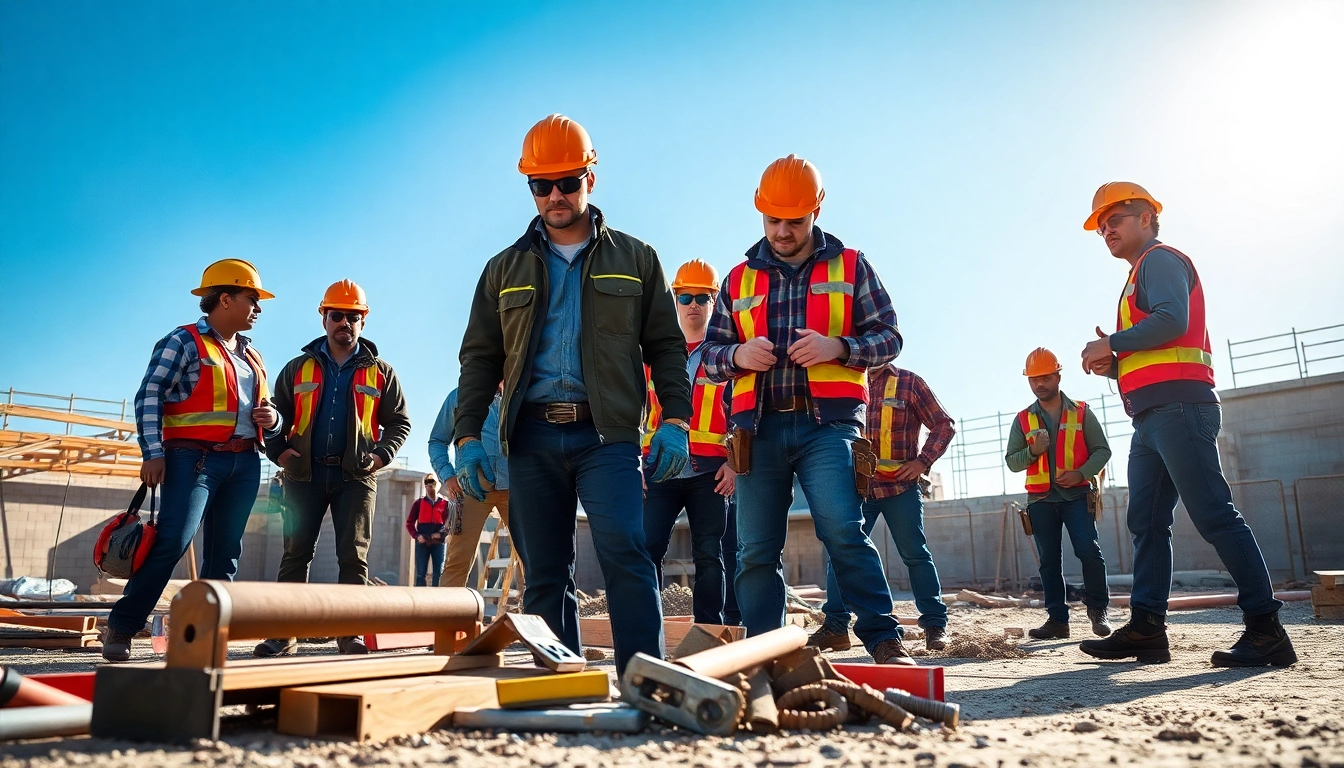
Understanding Construction Trade Schools in Texas
As the construction industry in Texas continues to grow, the demand for skilled laborers is higher than ever. This trend has led to a rise in the popularity of construction trade schools across the state. Construction trade schools in Texas offer a variety of programs designed to equip students with the necessary skills and knowledge to succeed in various construction-related fields. This article will explore what construction trade schools are, their benefits, types of programs offered, and more.
What Are Construction Trade Schools?
Construction trade schools are educational institutions that focus on providing technical training and education related to various trades within the construction industry. They prepare students for careers in fields such as electrical work, plumbing, carpentry, masonry, and HVAC (heating, ventilation, and air conditioning). These schools typically offer hands-on learning experiences, allowing students to gain practical skills while also covering necessary theoretical knowledge.
Benefits of Attending Construction Trade Schools in Texas
There are numerous advantages to attending a construction trade school in Texas, including:
- Fast-Track Education: Compared to traditional college degrees, many trade programs can be completed in a shorter timeframe, often within a year or two.
- High Demand for Skilled Workers: The construction industry is consistently seeking skilled workers, making graduates of trade schools highly employable.
- Hands-On Learning: Trade schools emphasize practical training, allowing students to work with the tools and equipment they will use in their careers.
- Cost-Effective Programs: Tuition costs for trade schools are often significantly lower than for four-year universities.
- Career Advancement Opportunities: Graduates can start their careers quickly and often have opportunities for advancement without incurring student debt.
Types of Programs Offered
Construction trade schools in Texas offer a wide range of programs tailored to various career paths. Some common programs include:
- Electrical Technology: Training students in wiring, electrical systems, and safety protocols.
- Plumbing Technology: Covering installation and maintenance of plumbing systems.
- Construction Management: Teaching skills related to project management, planning, and execution.
- Carpentry: Providing training in framing, finishing, and woodworking techniques.
- Masonry: Focusing on bricklaying, stone work, and concrete application.
- HVAC Technology: Covering installation, maintenance, and repair of heating and cooling systems.
Navigating the Admission Process
Prerequisites for Enrollment
Admission requirements can vary by school, but typically include:
- A high school diploma or GED.
- Minimum age requirements (usually 18 years or older).
- Basic skills in math and English.
Application Steps and Procedures
The application process generally involves several steps:
- Research and shortlist potential schools based on desired programs, location, and costs.
- Complete the application form, providing personal information and educational history.
- Submit any required documentation, such as transcripts and identification.
- Attend an interview or orientation session, if required.
- Receive admission decision and complete enrollment paperwork upon acceptance.
Financial Aid Options Available
Affording education can be a challenge, but there are multiple financial aid options available for students attending construction trade schools in Texas:
- Federal Financial Aid: Students can apply for federal grants and loans through the FAFSA (Free Application for Federal Student Aid).
- State Grants: Texas offers state-specific grants for eligible students.
- Scholarships: Many trade schools and organizations offer scholarships based on merit, need, or specific criteria.
- Work-Study Programs: Some schools provide opportunities to work part-time while attending classes to help cover tuition costs.
Key Programs in Texas Construction Trade Schools
Popular Courses and Certifications
Some of the most sought-after courses offered at construction trade schools in Texas include:
- National Center for Construction Education and Research (NCCER): Many schools offer NCCER certification programs that are recognized nationwide.
- OSHA Safety Training: Providing essential training in workplace safety regulations and practices.
- Green Building Certification: Courses that focus on sustainable construction practices and energy-efficient technologies.
Hands-On Training Opportunities
Hands-on training is a hallmark of construction trade schools. Students often engage in:
- Lab sessions where they can practice techniques and use tools.
- Internship programs that allow for real-world experience with established companies.
- Simulated job-site environments to mimic actual construction scenarios.
Duration and Completion Rates
The duration of programs can vary based on the type of training and the institution. Typically, programs last from a few months to two years. Completion rates are generally high, especially when students are engaged and the curriculum is hands-on and relevant to industry standards. Many schools report completion rates exceeding 75%, reflecting effective teaching methodologies and strong student motivation.
Career Opportunities After Graduation
Job Roles in the Construction Industry
Graduates of construction trade schools in Texas can pursue various roles within the industry, such as:
- Electricians: Responsible for installing and maintaining electrical systems in residential and commercial properties.
- Plumbers: Installing and repairing piping systems and fixtures.
- Construction Managers: Overseeing projects, managing teams, and ensuring adherence to budgets and timelines.
- HVAC Technicians: Focusing on heating and cooling systems for homes and businesses.
- Carpenters: Engaging in framing, cabinetry, and other woodcrafting tasks.
Salary Expectations and Growth Potential
The salary potential in the construction industry varies by role, experience, and location. On average:
- Electricians can earn between $45,000 and $80,000 annually.
- Plumbers typically have salaries ranging from $40,000 to $75,000.
- Construction managers may earn upwards of $85,000, depending on their level of experience and the complexity of the projects they oversee.
As the construction market continues to flourish in Texas, job growth is expected to be robust, with opportunities for advancement based on additional qualifications and experience.
Networking and Job Placement Services
Many construction trade schools offer job placement services to assist graduates in finding employment. Networking opportunities through workshops, job fairs, and alumni events are often organized by trade schools to connect students with industry professionals. Building connections can lead to internship opportunities, mentorships, and potential job offers upon completion of training.
Evaluating Your Options: Choosing the Right School
Accreditation and Licensing Considerations
When selecting a construction trade school, consider its accreditation status. Schools accredited by recognized agencies ensure that they meet educational standards and that the credits earned will transfer or be acknowledged by employers. Additionally, some programs may lead to licensure in specific trades; thus, understanding state licensing requirements is vital.
Campus Facilities and Resources
A school's facilities play a significant role in the quality of education. Look for:
- State-of-the-art laboratories equipped with current tools and technology.
- Classrooms that foster interactive learning and group projects.
- Access to online learning resources and library facilities.
Community and Alumni Support
Support systems for students, including community engagement and alumni networks, are crucial. Schools that maintain strong relationships with their alumni can offer mentorship programs, networking opportunities, and support in job searches. Engaging with the community often enhances the learning experience, allowing students to apply their skills in real-world situations.